How grain export to Turkey works along the Danube: loading at river ports, river-sea vessels, the Black Sea leg, and why Kiliya suits flexible cargo lots.
Turkey is one of the largest and most reliable buyers of Ukrainian grain. Millions of tonnes of wheat, corn and barley flow there every year to feed the country's milling and compound-feed industries. For many traders in southern Odesa region, the shortest and most flexible path to a Turkish buyer does not start in the deep-water seaports — it begins on the Danube, and specifically in Kiliya. In this article we walk step by step through how grain physically moves along the Danube–Turkey route: where it is loaded, which vessels carry it, how the sea leg to Turkish ports works, and why a Danube origin is so well suited to small and mid-sized shipments.
Why Turkey is a key market
Turkey consumes enormous volumes of grain — both for domestic bread and for processing and the re-export of flour to the markets of the Middle East and Africa. Its proximity to Ukraine's Black Sea coast keeps logistics short, while demand stays steady all year round. For a Ukrainian exporter that means a predictable sales channel where reliability of supply and flexibility on volume are what truly matter. The main commodities on this route have stayed the same for years:
- Wheat — for milling plants and flour produced for export
- Corn — mainly for the compound-feed and livestock sector
- Barley — feed and malting demand
How grain moves: from elevator to Turkish port
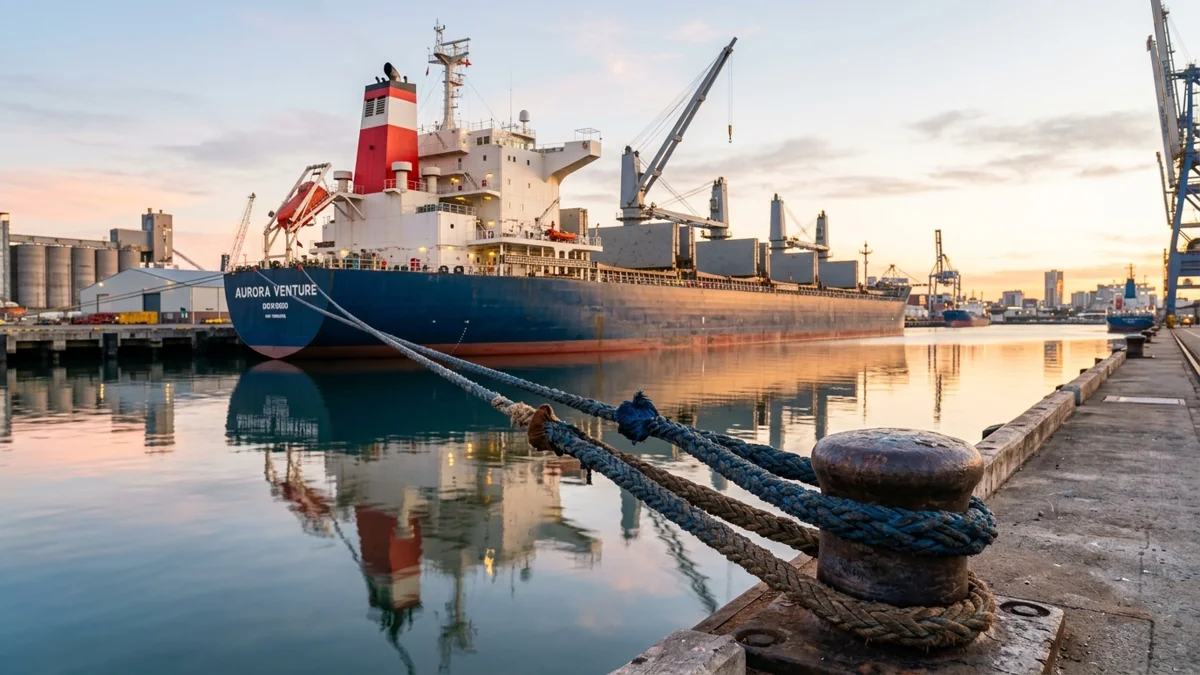
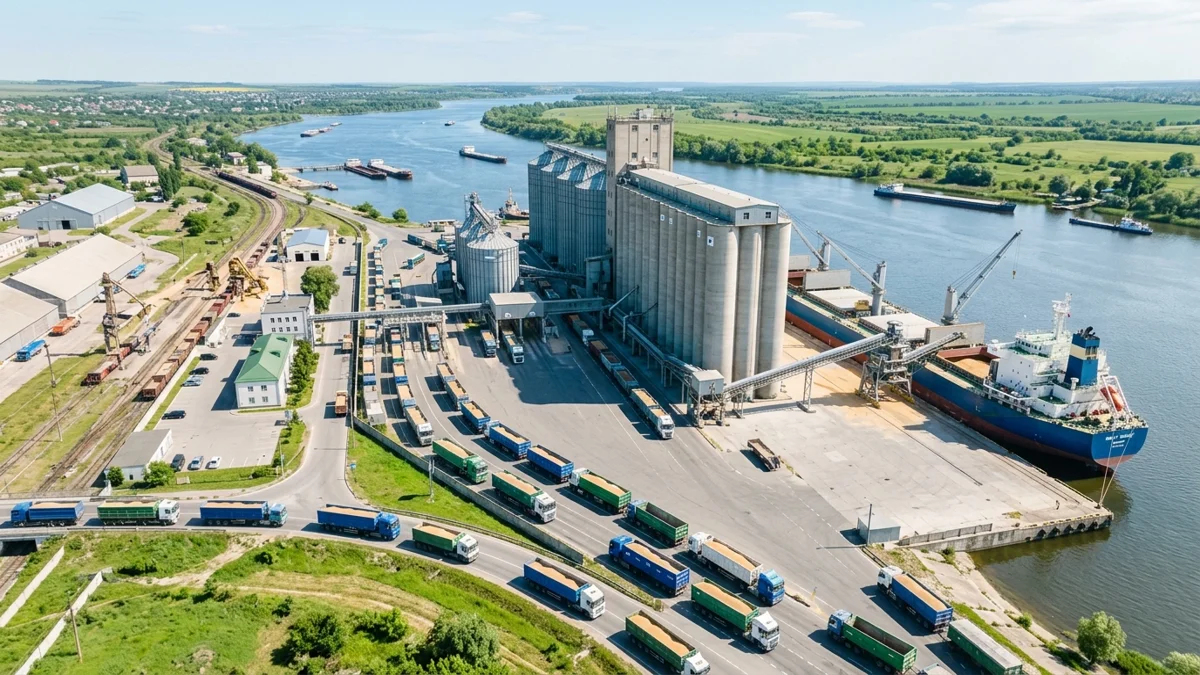
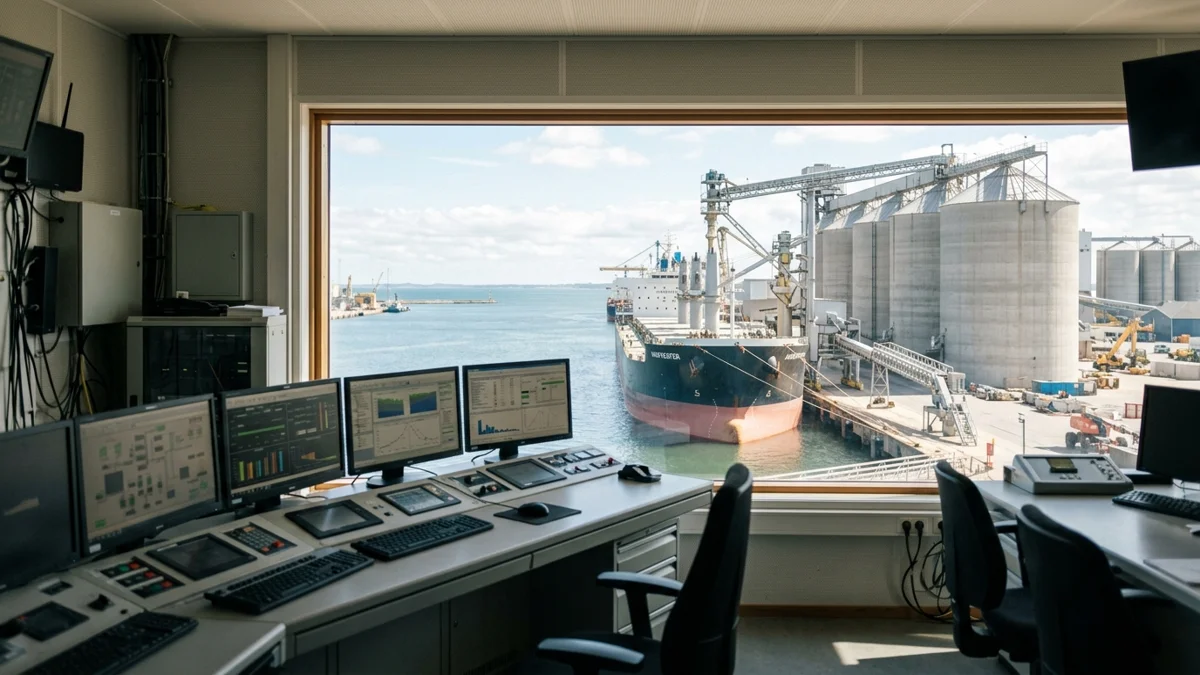
The route starts on the Ukrainian Danube. Grain arriving from elevators and trucks is received, conditioned for moisture and cleanliness, accumulated into lots and loaded on board at the river ports — Kiliya, Izmail, Reni. The advantage of the Danube hub is that trucks from southern Odesa region have only a short haul, and a cargo lot can be built up gradually, without the need to assemble a large vessel parcel all at once. It is at this stage that Kiliya acts as a natural origin point for the cargo: located at the mouth of the Danube, it offers a direct path toward the sea with a minimal river leg — and therefore less time and cost before the vessel reaches open water. The heart of this route is the river-sea vessel, also known as a coaster. These are comparatively small dry-cargo ships able to sail both inland rivers and the open sea. Their shallow draft lets them load on the Danube, while their seaworthiness is enough to reach Turkish ports on their own, with no transhipment onto a larger ship. It is precisely this format that lets a trader work with lots typically of a few thousand tonnes rather than the tens of thousands a Panamax requires. That fundamentally lowers the entry threshold: the route suits buyers who need a direct voyage from the Danube berth to the Turkish port with no intermediate reload — and exactly the volume they require.
The Danube offers what deep-water ports cannot: the ability to ship exactly the volume a buyer needs — without paying for tonnage they will never use.
The sea leg to Turkey
Once it leaves the mouth of the Danube and enters the Black Sea, the vessel heads for the Turkish coast. The most common destinations are the ports of the Marmara and Istanbul region, along with Samsun in the north, Izmir in the west and Mersin on the Mediterranean coast. A coaster makes the crossing in just a few days, and the closeness of the Black Sea makes this one of the shortest export legs for Ukrainian grain overall. A short leg means not only savings on freight but also less exposure to weather and market risk between shipment and receipt of the cargo.
In grain trade on this route the most common terms are FOB (Free On Board) and CPT (Carriage Paid To). Under FOB the seller is responsible for the goods and for loading them on board at the port of shipment, after which freight and the risks of the sea passage pass to the buyer. Under CPT the seller arranges and pays for carriage to an agreed point, while risk transfers to the buyer earlier — at the moment the goods are handed to the carrier. The choice of terms directly determines who charters the river-sea vessel and who carries the risk of the sea leg, so it is worth fixing clearly at the very start of negotiations to avoid disputes during performance of the contract.
To sum up: the Danube–Turkey route wins wherever flexibility, a moderate parcel size and a short, predictable sea crossing are needed. Small river-sea vessels, the proximity of Turkish ports and the option to build up a cargo lot gradually make this direction convenient for the trader and for the end buyer in Turkey alike. If you are planning shipments to the Turkish market, Kiliya on the Ukrainian Danube is a logical starting point for this route, and the GTK team is ready to discuss the transhipment and accumulation of your lot and to work out the best loading option for you.
Need grain transshipment or storage?
Grain terminal in Kiliya on the Danube. We'll map out your export route.
Contact us