For years Turkey has remained one of the top buyers of Ukrainian grain. We explain what keeps this demand steady and why the Black Sea plays into exporters' hands.
Among the destinations for Ukrainian grain exports, Turkey consistently stays in the leading group. And this is not a quirk of the market: the demand rests on the structure of Turkey's economy, on geography and on logistics that change only slowly. That is why this market is seen as one of the most predictable for agricultural exports.
A milling nation with an appetite for grain
Turkey is one of the world's leading flour-milling countries. Its mills process wheat not only for domestic consumption but also for the further export of flour and pasta to dozens of countries. Such a model requires a steady inflow of raw material, and the domestic harvest is not always enough to cover it — especially when it comes to particular wheat classes and quality. Hence a lasting, rather than one-off, interest in imported grain.
- a powerful milling and food industry geared partly toward re-export;
- a large population and a developed baking sector;
- livestock farming that generates separate demand for feed crops;
- the need to blend lots of different origins for consistent flour quality.
The Black Sea as a shared yard
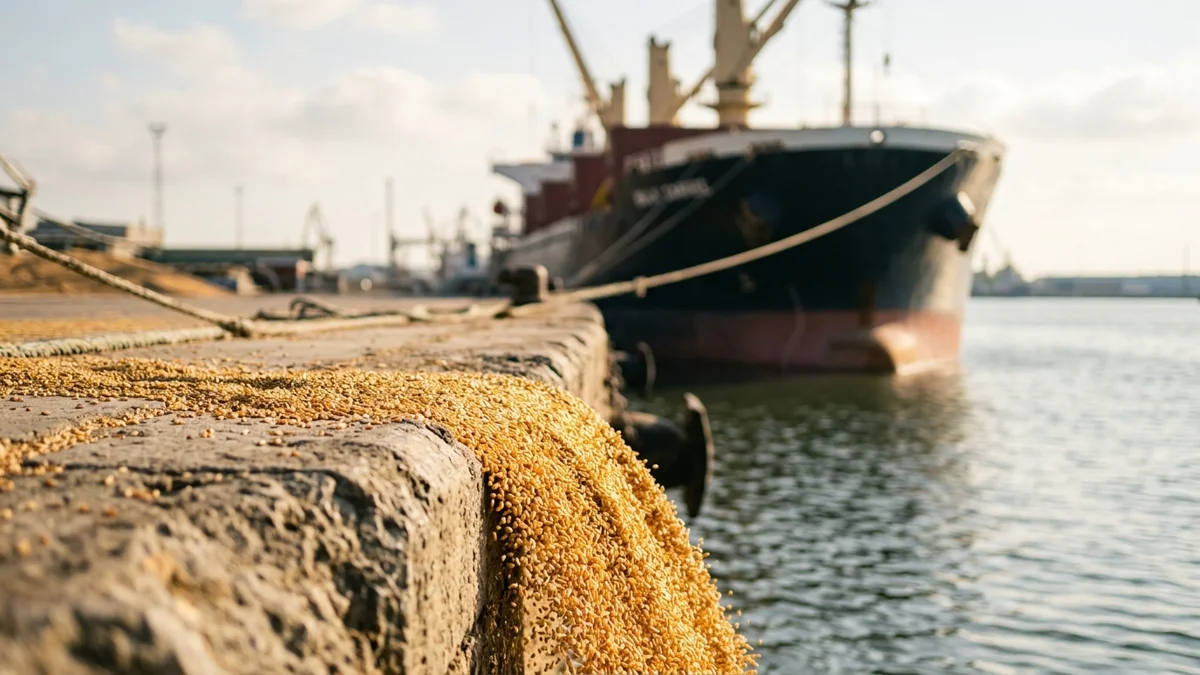
Ukraine and Turkey are Black Sea neighbours. A short sea leg means lower freight costs and faster vessel turnaround compared with suppliers from other parts of the world. Grain from Ukrainian ports can reach a Turkish buyer in days rather than weeks. For an importer that is not only a saving but also flexibility: it is easier to react to shifting demand and to top up stocks with smaller, more frequent shipments.
Geography does not change with the seasons — and it is geography that makes Ukrainian grain a natural choice for Turkish mills.
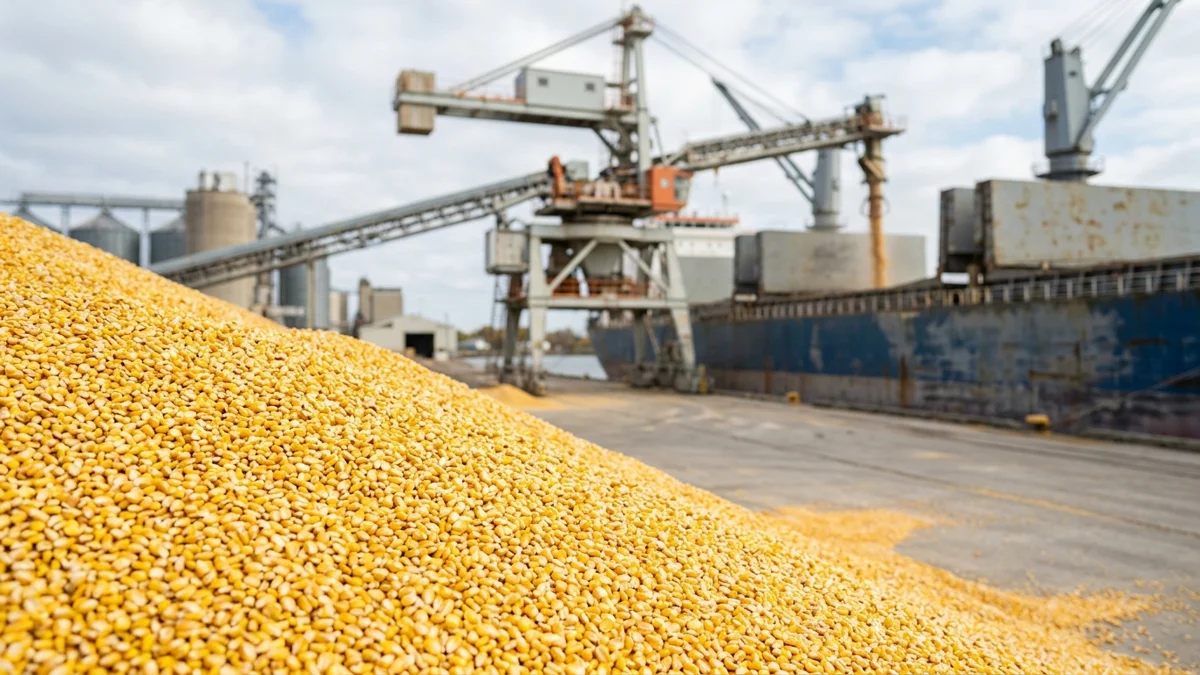
A distinct role is played by the small-tonnage fleet and Danube short-sea routes. Smaller lots, flexible schedules, the ability to work with the lower Danube — all of this allows shipments to be tailored to a specific buyer, rather than only to large vessel parcels via deep-sea terminals. For mid-sized Turkish mills such flexibility often matters more than sheer volume: it is easier to plan purchasing and to avoid tying up funds in large carry-over stocks.
As long as the structure of Turkey's economy and the geography of the Black Sea stay unchanged, demand for Ukrainian grain rests on solid ground. For an exporter working the Turkish direction, a convenient loading point matters. The port of Kiliya on the Danube offers a short logistics leg for southern producers and direct reach across the Black Sea to Turkish buyers. GTK operates here as a grain terminal and helps cost out the route — from grain intake to vessel loading.
Source: UkrAgroConsult
Need grain transshipment or storage?
Grain terminal in Kiliya on the Danube. We'll map out your export route.
Contact us