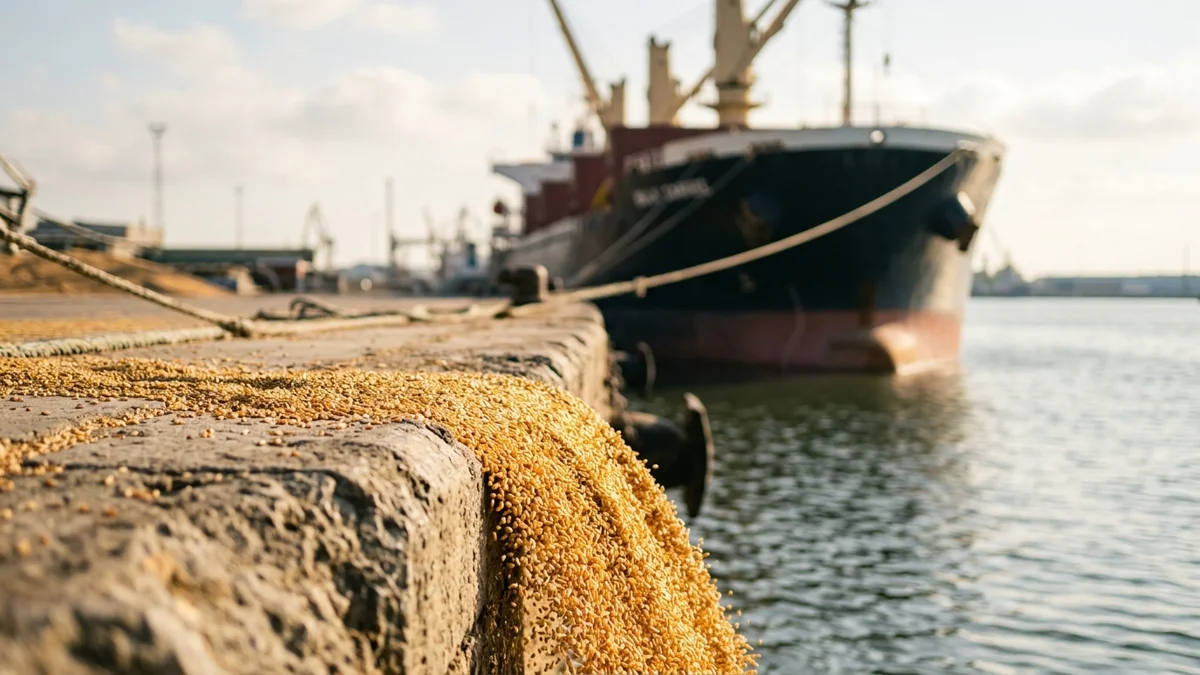
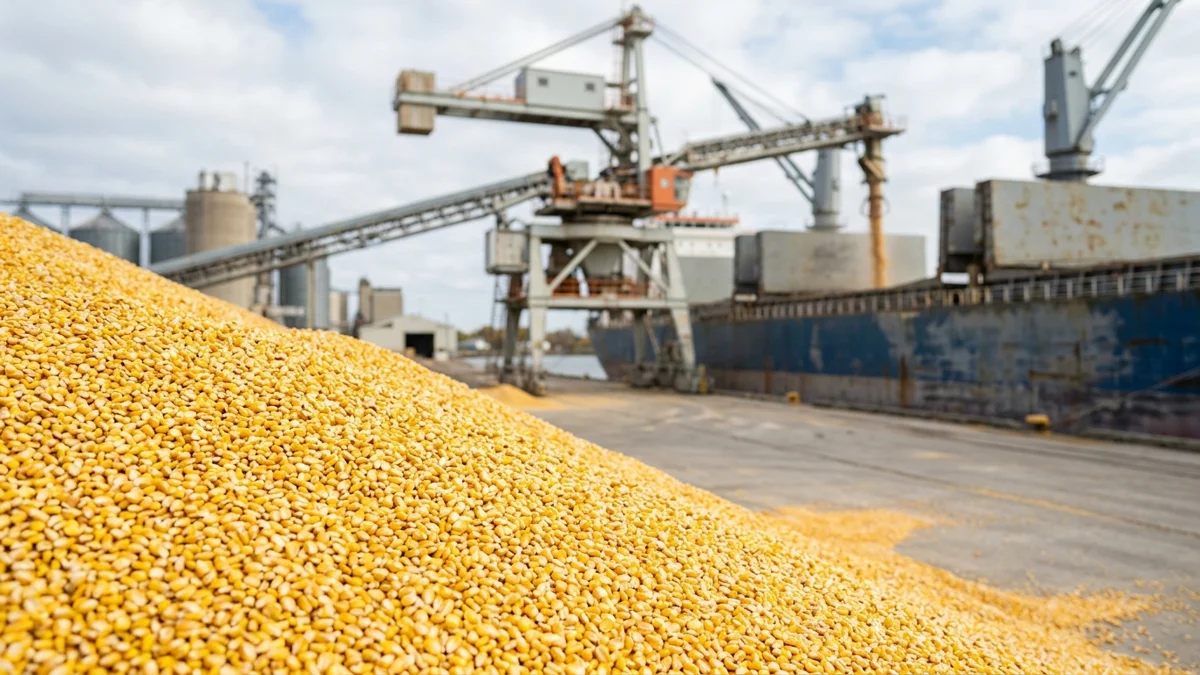
At peak harvest, logistics gets pricier and port queues grow. Here is how to plan grain intake and crop storage well ahead of time.
The same picture repeats every year: as soon as the fields yield their first tonnes, logistics becomes the bottleneck of the season. Grain trucks line up at elevators and terminals, and every idle hour is money out of the producer's pocket.
Why queues grow at peak harvest
The reason is simple: grain supply is squeezed into a narrow window of a few weeks, while intake and transshipment capacity stays the same. When everyone delivers at once, port queues and elevator lines are inevitable. Rain that shifts harvesting schedules and a seasonal shortage of trucks add to the pressure, pushing freight rates up exactly when you need to move the most.
How to prepare in advance
The cheapest way to avoid downtime is to plan grain movement before the combine even enters the field. A few practical steps that genuinely save time and money:
- Book intake slots ahead — agree your unloading schedule with the terminal before harvesting starts, not on the day you are already in line;
- Arrange storage in advance — reserve warehouse capacity so you are not hunting for space for your grain at the peak of the season;
- Prepare paperwork early — waybills, quality certificates and company details should be ready so grain intake is not held up at the gate;
- Agree quality requirements — moisture, impurities, test weight: knowing your lot's parameters ahead avoids rejections and reassignment;
- Contract transport earlier — lock in carriers before peak demand, while rates have not yet spiked;
- Spread lots over time — if possible, plan deliveries in waves rather than all on one day.
Logistics planned before harvest costs less than logistics fire-fought in the queues.
Early communication with the terminal brings another advantage — predictability. When the terminal knows your approximate volume and timing, it schedules intake so your trucks do not idle. It is a classic win-win: you save on downtime, and the terminal loads its capacity evenly.
At the port of Kiliya, GTK works exactly along these lines: we advise exporters and farmers from southern Odesa region to plan grain intake and crop storage ahead so logistics does not eat into the margin at peak season. Reach out to us before harvest and your route to the vessel will be costed out without the nerves and the queues.
Source: Latifundist
Need grain transshipment or storage?
Grain terminal in Kiliya on the Danube. We'll map out your export route.
Contact us