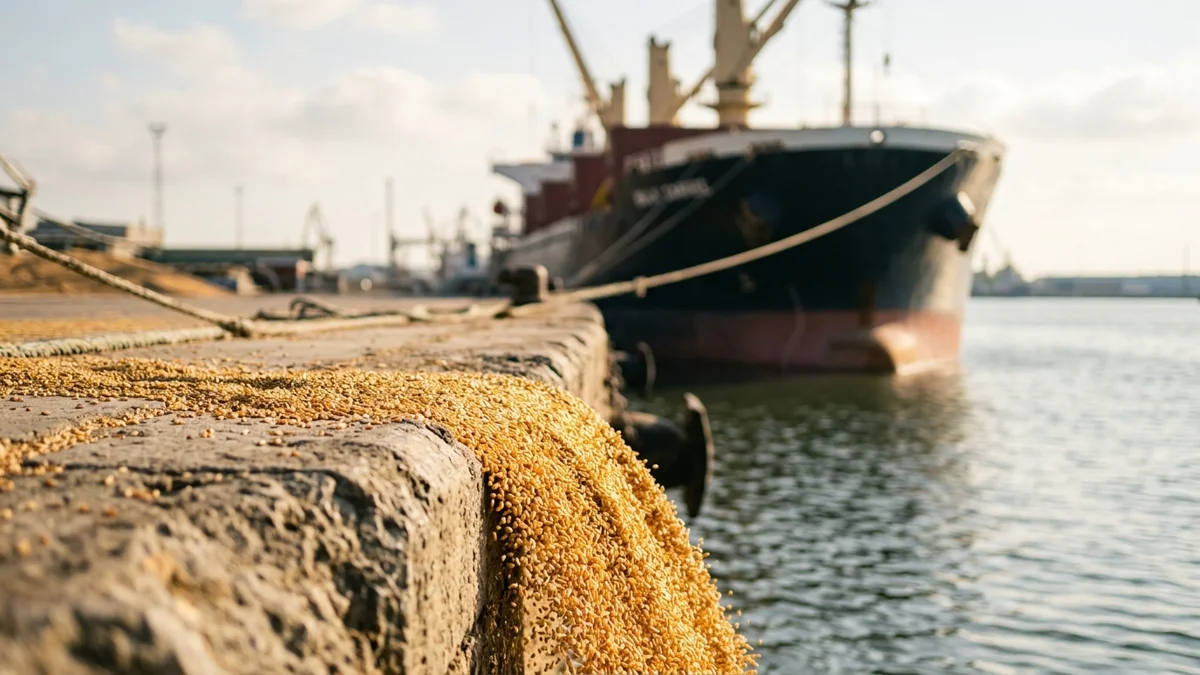
Low water on the Danube rewrites the rules for grain export: shallower draft, lighter loading, smaller lots. Here is how to plan ahead.
The Danube is a living river, and its level rises and falls constantly with the season, rainfall and snowmelt in the mountains of Central Europe. During periods of low water the depth of the fairway drops, and with it the permitted draft of vessels that can safely pass through the lower river. For grain logistics this is no technical detail but a factor that directly shapes shipment volumes, voyage schedules and the final cost of export. Anyone planning to sell grain through the Danube ports needs to understand how the phenomenon works.
Why draft decides everything
Draft is how deep a vessel sits in the water under load. When the water level is low, the master has to load the ship lighter to avoid running aground and damaging the hull. Less grain on board means more voyages for the same volume — and therefore a higher cost per tonne for the leg, plus a longer cycle to clear a lot. Carriers and terminals watch water-level forecasts closely so they do not schedule loadings the river physically will not let through.
- ships are loaded with a safety margin for the fairway, not to the brim;
- lot sizes shrink and schedules grow tighter;
- precise planning and reserving loading slots become more important;
- a flexible shallow-draft fleet gains an edge over larger vessels.
Low water does not stop the Danube — it only raises the cost of a planning mistake.
This is exactly where a small-tonnage river-sea fleet wins: vessels with a shallower draft can still enter the lower Danube when it is no longer economic or safe for heavier ships. Flexibility for smaller lots becomes an advantage rather than a compromise: an exporter can keep moving grain while competitors built around large shipping wait for levels to rise. The ability to quickly resize a lot to the actual draft is what separates steady export flow from disruptions.
How to plan ahead
Terminal experience matters too. A team that has worked with seasonal river levels for years adjusts loading plans in advance, aligns draft with the shipping operators, and keeps low water from derailing shipments. Exporters should plan the route with the season in mind: build in time buffers between contract and shipment, allow for flexible lot volumes, book slots early, and stay in touch with the terminal about the current state of the fairway.
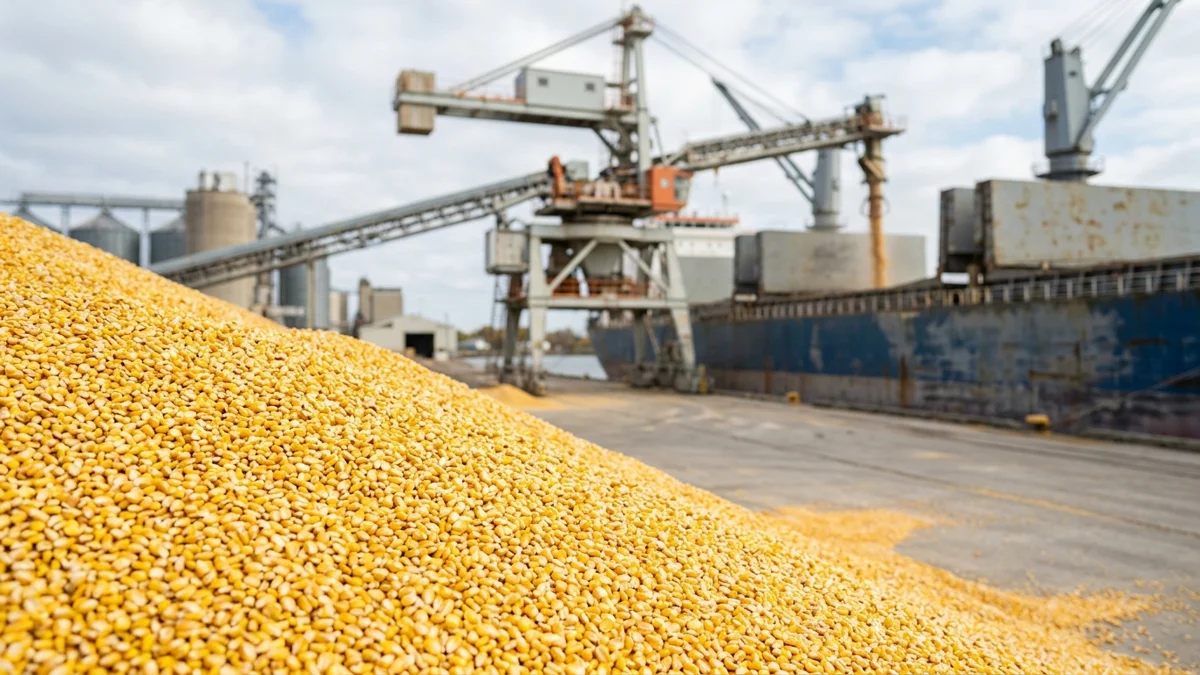
GTK operates in the port of Kiliya on the lower Danube and knows the river's character in every season. We help exporters build a realistic loading schedule that accounts for water levels — from grain intake to the vessel putting out to sea. If you are planning export through Kiliya, we will cost out the route so that low water becomes a manageable factor rather than an unpleasant surprise.
Source: CFTS
Need grain transshipment or storage?
Grain terminal in Kiliya on the Danube. We'll map out your export route.
Contact us